
11 Tips for Better Digestive Health
Physical activity help to prevent constipation and other digestive mishaps
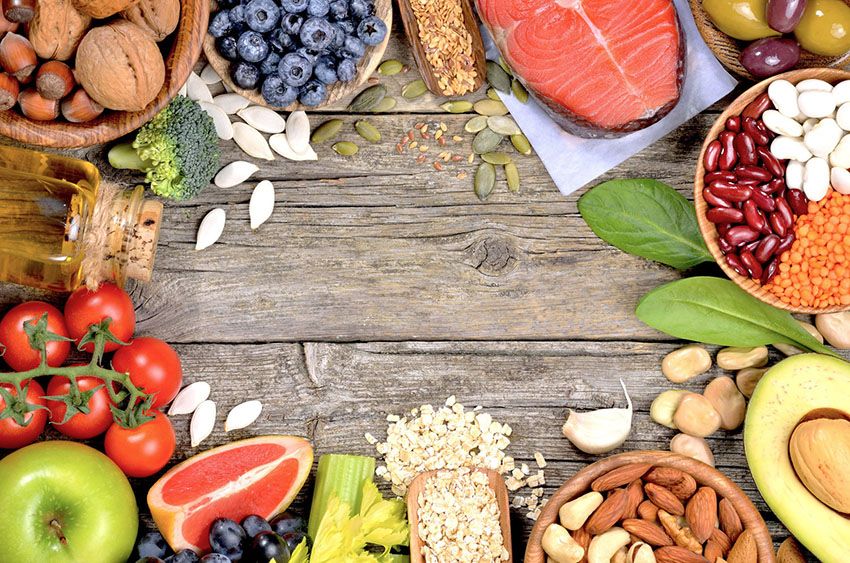
A representative file photo/web
Take control of your digestive health with these pro tips.
Easy Solutions
Got occasional tummy troubles? Making smart dietary choices can help promote a healthy digestive system. Keeping your gut populated with good bacteria allows for optimal nutrient absorption, immune function and reduced risk of disease. Eating foods that motivate healthy bacteria to flourish (prebiotics) and good-for-you microorganisms (probiotics) will help ensure a happy and healthy microbiome.
Eat More Yogurt
It’s not news that yogurt is filled with tummy-pleasing probiotics, but eating a few bites once a month won’t cut it. Assess your baseline intake of yogurt and if it’s less than once or twice a week, give it a boost to get more healthy bacteria in your intestines.
Take a Probiotic Supplement
Probiotic supplements are isolated doses of healthy bacteria. They can come in handy when food sources are limited and can provide an additional layer of protection when traveling or taking a prescription antibiotic.
Say "Bye" to Sugar Alcohols
Low-calorie sugar replacements are commonly found in processed foods like "sugar-free" gum and candy. They are also used to lower the calorie count in "diet-friendly" yogurts, baked goods, protein bars and snack foods. Avoid ingredient labels that include common culprits like sorbitol, mannitol and xylitol, as consuming them in large amounts can cause bloating and diarrhea.
Spread Out Meals
Small, regular meals can help prevent dips and valleys in hunger and energy levels. This might also fight off binging on excessively large meals and the unpleasant digestive feelings that come along with it.
Stay Hydrated
Drinking large amounts of fluids with meals can be problematic but sipping on low- and no-calorie fluids throughout the day (Hello, water!) can help beat bloat and keep your digestive system running smoothly.
Munch on Ginger
It’s a well-known safe and tasty digestive aid that helps calm nausea and settles stomach woes. Enjoy fresh ginger in salad dressings, stir-fries and smoothies. Use dried ground ginger for teas, dry rubs and baked goods.
Experiment with Kimchi
Fermented foods like kimchi are filled with healthy bacteria. Enjoy this spicy and crunchy delicacy on everything from soup to sandwiches to avocado toast.
Add Walnuts
A recent study conducted in animals found that eating walnuts may promote digestive health thanks to their prebiotic content. While more research is needed, it certainly can’t hurt to snack on more of these heart-healthy nuts.
Balance Your Fiber Intake
Fiber is an indigestible substance found in plant-based foods that helps regulate digestion and there are two types: soluble (found in wheat and fruit skins) and insoluble (found oats and bananas). For ideal digestive health consume a balance of both.
Eat More Whole Grains
If your problem is a general lack of fiber, look no further than whole grains. Whole wheat products are high in insoluble fiber while oat-based products like cereals and granola pack in the soluble variety.
Be Active
Digestion is all about movement, in the intestines and throughout the body. Along with proper diet and hydration, partake in regular physical activity to help prevent constipation and other digestive mishaps.
This article originally appeared on : Food network
-

24 Health and Nutrition Tips That Are Actually Evidence-Based
2026-10-27 -

3 Ways To Keep Your Brain Young: Neuroscientists
2026-10-27 -

7 Important Conversations You Should Be Able To Have With Your Boyfriend
2026-10-27 -

11 Tips for Better Digestive Health
2026-10-27 -

6 Best Ways to Break Up Better !
2026-10-27 -

From the Himalayas, Nepal’s PM Delivers a Warning on Climate and a Challenge to the World
2026-09-25 -

Doctors Suggest Not to Use Toilet Papers
2026-08-18 -

Eight best home remedies for gastritis
2026-08-18 -

Advantages and Disadvantages of Inter-caste Marriage
2026-08-18 -

Top Seven Safe, Effective Natural Antibiotics
2026-08-18